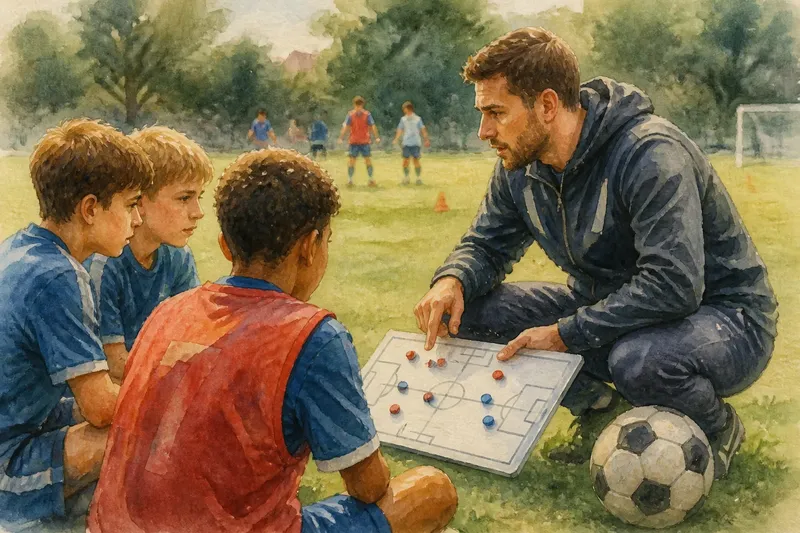
The Hobby Needs No Scoreboard
An athlete hobby need not improve performance. Compare purposeful, social and private pursuits to choose an interest that gives sport no extra job.
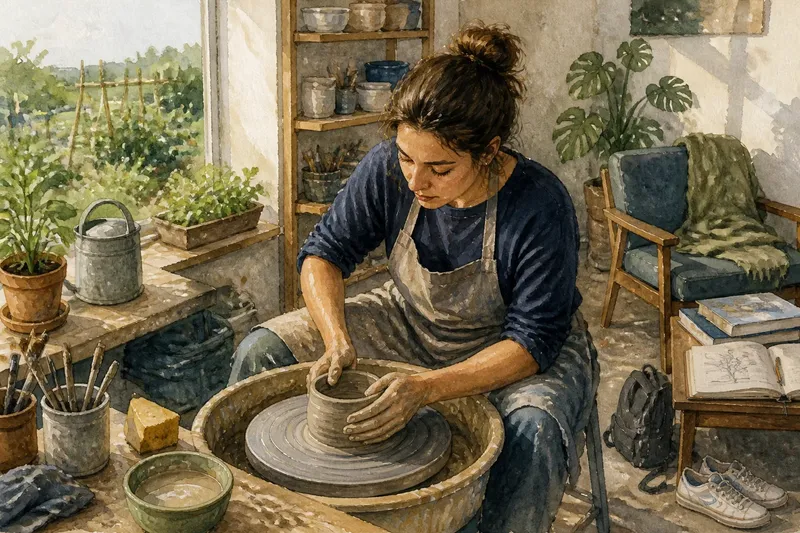
Does an athlete hobby have to improve performance to be worth the time? No. A pottery class, a messy allotment or a novel read for pleasure can matter precisely because they do not make anyone faster, stronger or more marketable. Sport already supplies enough targets.
The case for treating every interest as useful training sounds sensible: learn focus through chess, build stamina by hiking, practise patience while cooking. Sometimes those connections are real. The myth begins when they become an entry fee, as though leisure needs a sporting justification before it can stay in the diary.
Purposeful hobbies suit athletes who want a clear project
A purposeful pursuit has a goal outside sport, but it may also exercise qualities that transfer to training. Someone might learn a language, restore an old bicycle, or take a photography course with a particular skill in mind. Progress is visible in a new phrase, a repaired brake or a sharper image. That can be satisfying without pretending the hobby is a recovery protocol.
This approach suits people who enjoy structure and like seeing a skill develop. It can also offer a useful change of scale: a difficult chord or a recipe that finally works is a different sort of problem from selection or competition. The activity has its own standards, which is the point. It need not be made into a metaphor for winning.
There is a catch. When a pursuit is chosen mainly because it might help sport, its value can become conditional. A missed practice may feel like another failure; a hobby can acquire a coach, a schedule and an imaginary podium. If that happens, simplify the aim. Keep the class because the subject interests you, not because it promises a marginal advantage.
Pick a project you would still want if its sporting benefits vanished.
Social hobbies suit athletes who want company without team roles
A club, class or shared activity can provide contact with people who know you through something other than your sport. Community gardening, a choir, a board-game group or a regular cooking session can make room for conversation that does not orbit fixtures, selection or recovery. Nobody has to become a confidant for the gathering to be worthwhile.
This option often suits someone who enjoys being around others but does not want every friendship to depend on a shared training routine. The activity gives people something to do together, which can make conversation easier. It also has a natural boundary: the session ends, the instruments go away, and the evening belongs to whoever turns up next time.
Social hobbies ask for a little coordination. A shift pattern, travel or training schedule may make a weekly commitment awkward. Before joining, ask about drop-in sessions, missed meetings and whether beginners can join midstream. A low-pressure arrangement is more likely to survive an unpredictable season than one that treats absence as a character flaw.
Choose a group for the company and the activity, not for its usefulness as networking.
Private hobbies suit athletes who need an interest of their own
Some pursuits are better without an audience. Drawing in a sketchbook, tending houseplants, knitting, birdwatching or reading can fit into small pieces of the day and need not be shared online. Their appeal may be the freedom to be inconsistent: a half-finished scarf is not a failed season, and a novel can be put down without a review meeting.
This approach suits people who value quiet, privacy or control over their spare attention. It can also help when public life makes even ordinary preferences feel visible. A private interest need not become content, a side business or an answer to questions about personal branding. It can simply be something done because doing it feels agreeable.
Private does not have to mean solitary in every sense. You might borrow books from a library, ask a friend for a plant cutting or share a sketch with one trusted person. The distinction is that the audience is chosen, rather than assumed.
Let an interest stay small if small is what makes it yours.
How do you choose a hobby without turning it into training?
What if I want a hobby that also supports performance?
Choose it honestly, and keep its sporting purpose in proportion. If you enjoy swimming outside your programme, for instance, you can enjoy the water without claiming every session is training; if it affects recovery or workload, discuss that with your coach or relevant clinician.
How can I tell whether a hobby has become another obligation?
Notice whether missing a session brings ordinary disappointment or the familiar pressure of being judged. If the activity has started to feel like a second performance review, reduce its demands, change the format or take a break.
What if I do not know what I enjoy?
Begin with materials or settings you are curious about: a library shelf, a community workshop, a sketch pad or a local walking group. Try a modest commitment and pay attention to whether you want to return, rather than whether you are immediately good at it.
Should I share my hobby publicly?
Only if sharing adds something you want, such as conversation or encouragement. Keeping an interest off social media is a valid choice, not a missed opportunity to build an audience.
A small trial makes the choice clearer
Say you are curious about pottery but worry that another scheduled activity will crowd out rest. You could ask a local studio whether it offers a single introductory session, then go with no aim beyond handling clay and seeing whether the room feels pleasant. If you leave wanting to make something again, look at a class that fits your week; if not, you have learnt that pottery is not your current interest. Neither result needs to be translated into a lesson about athletic character.
This is a useful way to compare options: consider the kind of attention each asks for, the company it brings and how much obligation comes with it. A purposeful project gives direction; a social pursuit provides a shared setting; a private one leaves more control with you. They can overlap, but one does not outrank the others.
Try asking three plain questions before you commit:
- Would I still choose this if it had no effect on sport?
- Do I want company, quiet or a project to work on?
- Can I pause or miss a session without the activity becoming a source of guilt?
- Would I enjoy the process even if progress were slow?
The answers need not be perfect. They are there to separate curiosity from the pressure to make free time productive.
Keep the hobby outside the performance ledger
Athlete hobby choices can change with seasons, travel, injury and appetite. An interest does not have to become a lifelong practice to have been worthwhile, and it does not have to be useful to sport to deserve a place in the week. The best reason to return may be modest: the people are pleasant, the work is absorbing, or the hour feels like your own.
When choosing an athlete hobby, look for the option you would miss for its own sake. If it helps performance as well, that is incidental. The scoreboard can remain where it belongs.