How the Athlete-to-Coach Path Became a Familiar Sporting Story
The athlete-to-coach path is not inevitable. See how clubs, schools and sporting organisations made it recognisable, and what changes when a competitor teaches.
Why does the athlete-to-coach path seem so natural, even though many former competitors never take it? The athlete-to-coach path is a familiar story because clubs, schools and sporting organisations have made coaching a visible role—not because playing experience automatically prepares someone to teach.
Early sporting instruction often stayed close to the playing role
There is no single starting point for coaching across all sports and places. In informal settings, an experienced player or team captain might organise practice, demonstrate a technique and then compete alongside the people they had instructed. The distinction between participant and teacher could be slight.
This is a useful way to understand the role’s early shape, not a universal historical sequence. Different sports developed their own customs, and the evidence and terminology vary by place and period. Without a particular sport or country in view, claims about exactly when coaching began would be tidier than the history allows.
Practical experience could make someone a credible instructor, but it did not by itself create a separate job. That required a team or organisation willing to assign responsibility for preparation.
Clubs and schools gave instruction a more recognisable place
As clubs and schools organised sporting activity, they could make practice a more regular part of team life. A captain might still lead a session; elsewhere, an organisation could assign instruction to a person whose main duty was preparing participants. The details depended on the institution and the sport.
That distinction matters more than a neat date on a timeline. Once an organisation could name, assign and repeat coaching duties, the coach became easier to recognise as a role separate from competing. A former athlete was one plausible candidate, since they might know the sport’s techniques and routines, but the role could also be taken by someone whose route came through teaching, club service or other experience.
Look for the assigned duties, not just the title: who plans practice, teaches skills and makes decisions about participation?
Professional sport made the former competitor a compelling candidate
In settings where sport became more professionalised, organisations could distinguish preparation and tactical direction from active participation. That did not happen at the same time or in the same way everywhere. It did, however, make a familiar succession story possible: a competitor leaves the field and takes responsibility from the side.
Former athletes may bring detailed knowledge of competition and familiarity with a sport’s routines. A playing record can also make the transition easy to explain to an audience. But a coaching appointment depends on the job and the organisation, not simply on the candidate’s past. Teaching, communication, planning and judgement are distinct parts of the work.
Experience may open a door; it does not tell you who else was considered or why the appointment was made.
Media helped turn the transition into a public script
Coverage can make a well-known athlete’s move into coaching legible as a return to familiar territory. Audiences already know the person as a competitor, so the new role can be framed as passing on hard-earned knowledge. That is a clear story, though it is not a complete account of the work.
Coaching asks a person to attend to other people’s abilities, circumstances and aims. The approach that suited a coach as an athlete may not suit a young player, a new teammate or an entire squad. The public image tends to foreground the recognisable name; daily instruction is less photogenic, and usually more consequential to the people taking part.
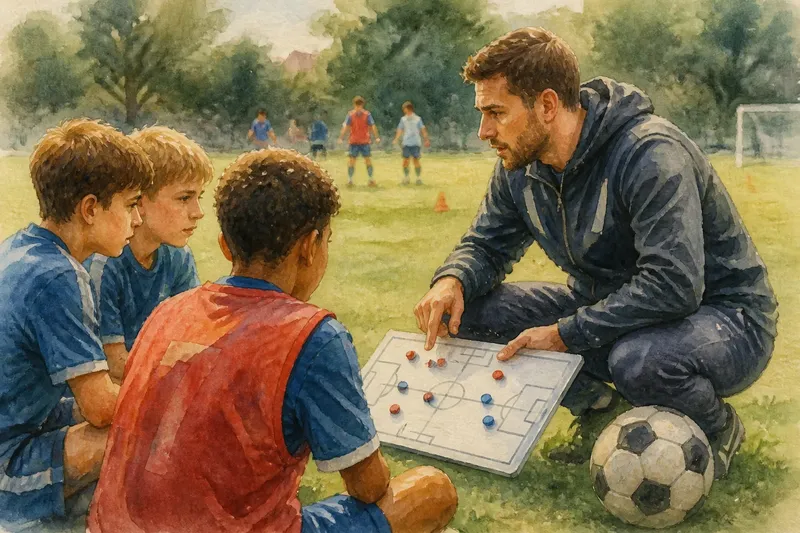
Say a retired club player is asked to lead a youth side. They begin with a familiar passing drill, notice that several players are unsure where to move, and pause to demonstrate the pattern before restarting. The expected observable result is that the players know where to stand and can attempt the drill with clearer instructions; whether the session works still depends on the group and the coach’s response.
The athlete-to-coach path is one route among several
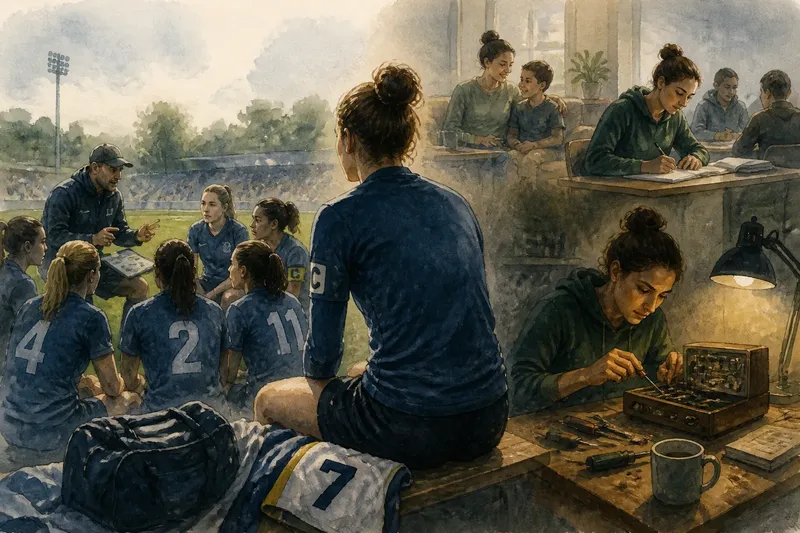
Sporting organisations can make coaching a visible next role, but a former competitor may instead study, take other work, care for family, officiate, volunteer in a different capacity or leave organised sport. None of those choices is a failed version of the coaching story.
Routes into coaching also differ. A person might arrive through formal study, club volunteering or a playing career. Requirements vary by sport, role and organisation, so anyone considering a position should check the relevant governing body’s guidance and the organisation’s criteria. Where a role involves safeguarding or other specialist duties, seek advice from the appropriate qualified professional.
The practical question is not whether a playing career qualifies someone on its own. It is whether the person wants to teach and support others, and whether the role asks for skills they can develop and use.
What readers ask about the athlete-to-coach path?
Do former athletes make better coaches?
Playing experience can help with explaining technique and the demands of competition. It does not, on its own, show whether someone can teach clearly or adapt to different learners.
Why might a club appoint a former competitor?
A club may value the person’s knowledge of its sport and familiarity with team routines. It still needs to consider the full duties of the role, including communication and preparation.
Can someone coach without a high-level playing career?
Yes. People can enter coaching through study, practical experience or club involvement, depending on the sport and position. Check the relevant organisation’s requirements rather than assuming one route applies everywhere.
Is coaching the usual next step after retirement?
No. It is a visible option, not an obligation or a universal preference. A person can leave competition without taking another sporting role.
The role depends on what an organisation needs
The athlete-to-coach path is familiar because sporting organisations can connect playing experience with a defined teaching role, while media can give that shift a recognisable story. Neither makes the move inevitable. The history is best understood as a gradual and uneven change in how particular organisations assigned responsibility, not as one universal timeline.
If you are weighing the transition, ask what the role requires on an ordinary training night: planning, explaining, listening and making room for someone else to perform. That answer is more useful than the neatness of the story, and it leaves a sporting life free to continue without a whistle.